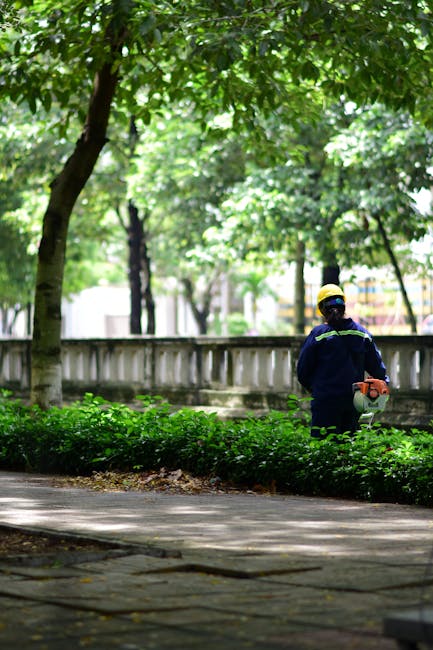
What to know about hidden garden maintenance costs in Honor Oak
Garden upkeep sounds straightforward until the bill arrives and a few "small extras" have quietly joined the party. If you live in Honor Oak, you may already know that maintaining a garden here can be a bit more involved than it first looks. Narrow access, compact plots, mature planting, awkward waste removal, and seasonal growth all have a habit of nudging the final cost upwards.
This guide explains what to know about hidden garden maintenance costs in Honor Oak, why they happen, how to spot them early, and how to keep your budget under control without cutting corners. We'll cover the common add-ons, the practical warning signs, and the sort of questions worth asking before any work begins. Truth be told, the best savings usually come from clarity, not bargaining.
Why hidden garden maintenance costs in Honor Oak matter
A garden quote can look neat on paper and still leave you with a sting in the tail. The issue is rarely "hidden" in a dishonest sense. More often, it is simply that some work cannot be fully priced until someone sees the garden properly. In Honor Oak, where gardens often sit behind terraced homes, through side passages, or around shared access points, the practical reality matters as much as the visible work.
That matters because budget surprises can change what you do next. A maintenance visit that started as a simple tidy-up can become a bigger job once the gardener discovers overgrown beds, compacted soil, blocked borders, fallen branches, or a lawn that needs more than a quick mow. If you are trying to keep a home in good order, those surprises can turn a manageable monthly cost into an annoying one-off hit.
There is also the emotional side. People often leave a garden alone for a few months, then feel overwhelmed when it suddenly needs everything at once. We see it all the time: a back garden looks fine from the kitchen window, then you step outside on a damp Saturday morning and realise the whole place has quietly gone a bit wild. Not disastrous. Just expensive if you are not prepared.
If you want a fuller view of service options before planning work, it helps to look at the wider services overview and the more specific garden maintenance page to understand how regular upkeep is typically structured.
How hidden garden maintenance costs usually build up
Hidden costs usually appear when the job expands beyond the visible surface. A gardener may quote for mowing, hedge trimming, or weeding, but the work may also involve access time, disposal, repairs, or extra labour because the garden has not been maintained recently. That is not unusual. It is just how real gardens work.
Here are the most common cost drivers:
- Waste removal: Green waste, brash, soil, old pots, and broken timber all need sorting and disposal.
- Access difficulty: Long narrow paths, shared entrances, rear access only, or stairs can increase labour time.
- Overgrowth: A hedge, border, or lawn left for too long can take much more effort than routine upkeep.
- Specialist tasks: Tree work, heavy clearance, stump issues, or uneven ground often need more skill and equipment.
- Material replacement: New mulch, topsoil, membrane, plants, edging, or fixings may be needed after clearance.
- Weather and timing: Wet ground, frozen soil, or a tight seasonal window can slow work down.
It is worth remembering that many maintenance jobs are priced on estimated time rather than just the task name. A lawn mow sounds simple. But a long, patchy lawn with moss, slopes, and hidden debris is another story entirely. Gardeners are not being fussy when they ask questions up front; they are trying to avoid both underquoting and awkward surprises later.
For jobs that spill into heavier work, a separate garden clearance service may be more appropriate than trying to squeeze everything into a standard maintenance visit.
Key benefits and practical advantages
Spotting hidden costs early is not just about saving money. It helps you make better decisions about how to care for the space and which tasks actually matter right now. There is a big difference between "garden looks a bit untidy" and "garden needs a one-off reset before regular maintenance can begin."
The main advantages are pretty straightforward:
- Cleaner budgeting: You can separate routine upkeep from one-off remedial work.
- Better quotes: Clear information tends to produce more accurate pricing.
- Less disruption: If access and waste are planned, the visit runs more smoothly.
- Improved results: A properly scoped job tends to look tidier and last longer.
- Lower stress: No one enjoys a surprise invoice, especially after a busy week.
There is also a practical benefit that people sometimes overlook: once the messy, hidden stuff is identified, you can decide what is essential and what can wait. Maybe the hedge needs cutting now, but the border edging can wait until next month. Maybe the lawn is fine, but the overgrown patch near the shed needs a separate visit. That sort of prioritising keeps costs in check without turning the garden into a half-finished project.
Expert summary: In most cases, hidden garden maintenance costs are not about one dramatic fee. They are a collection of small factors that add time, disposal, or specialist labour. The smartest move is to identify those factors before the work starts.
Who this is for and when it makes sense
This topic matters to anyone with a private garden in Honor Oak, but it is especially useful if one of these sounds familiar:
- You have not had regular maintenance for a while.
- You are comparing quotes and want to know why they differ.
- You are moving into a property and the garden is a little worse than it looked in the listing photos.
- You manage a rental, and the outdoor space needs a reset between tenancies.
- You want to start seasonal maintenance but are worried about one-off extras.
It also makes sense if you are planning broader changes. A simple tidy may lead into border redesign, new turf, hedge work, or even hard landscaping. In that case, it helps to think about the garden as a system rather than a list of disconnected tasks. A worn lawn might be related to shade, drainage, and poor soil. A messy hedge may be hiding old deadwood or awkward height changes. The cost sits in the detail, as usual.
If your plans are moving beyond routine maintenance, the pages on landscape gardening and landscaping can help you think through where maintenance ends and redesign begins.
Step-by-step guidance for managing spend
Here is the most reliable way to keep hidden costs under control, without becoming the person who interrogates every leaf. You just need a sensible process.
- Walk the garden properly. Look at access points, waste piles, dead areas, damaged fixtures, and overgrown sections. Do this in daylight if you can. Evening inspections miss a lot.
- Separate routine work from problem work. Routine work is mowing, pruning, edging, and weeding. Problem work is clearance, repair, disposal, or remediation.
- Ask what the quote includes. Labour, waste removal, travel, materials, fuel, and equipment use can all be part of the final figure.
- Flag access restrictions early. If there is a narrow side return, stairs, permit parking pressure, or shared access, mention it before booking.
- Check whether waste is charged separately. This is a common source of confusion. A pile of clippings is not always "just green waste."
- Get clarity on minimum charges. Small gardens can still have a minimum visit cost because time, setup, and travel remain real expenses.
- Ask how weather changes the plan. A wet day can affect mowing, soil work, or clearance. Best to know how rescheduling is handled.
- Review the first visit carefully. A first maintenance visit often reveals recurring issues. Use it to reset the garden and define a realistic ongoing plan.
Simple? Yes. But it works. The first visit is often the expensive one, and after that things usually settle down. One client might need an initial clear, followed by lighter seasonal upkeep. Another might only need targeted hedge trimming and lawn care. Different gardens, different bills, same principle.
For ongoing visits, a structured lawn mowing or hedge trimming arrangement can be far easier to budget for than ad hoc call-outs.
Expert tips for better results
After a while, you start to notice which costs catch people out most often. The following tips are the ones that genuinely help, not the flashy "save money by doing everything yourself" advice that sounds clever but often backfires in the rain.
- Keep maintenance frequent enough to stay small. Letting jobs pile up is the fastest route to a bigger bill.
- Take photos before requesting a quote. Pictures of access, borders, hedges, and waste help a lot, but they do not replace a site visit when the garden is complex.
- Ask about disposal early. If you already know there is a heap of cuttings or old timber, say so up front.
- Separate "nice to have" from "must do now." This is where sensible savings happen.
- Plan around the season. Spring and early summer can be busier, so availability and turnaround may be tighter.
- Use the first visit to set the standard. Once a garden is reset, ongoing care is usually much easier to price and maintain.
And a small one from real life: if you have ever assumed "it's only a ten-minute job," gardens love punishing that kind of confidence. Happily, most surprises are manageable if they are spotted early.
If safety, insurance, or the handling of tools and waste is a concern, it is sensible to review the company's insurance and safety approach and the practical guidance in its health and safety policy.
Common mistakes to avoid
Most budget problems in garden maintenance are avoidable. The trouble is, the same mistakes keep coming back because they seem harmless at the time.
- Assuming all quotes include waste removal. They often do not.
- Not mentioning access issues. A garden behind a terrace is not the same as one with driveway access.
- Buying the cheapest quote without checking scope. Cheapest and best value are rarely the same thing.
- Ignoring seasonal overgrowth. Waiting another month can make the next visit more expensive.
- Leaving repairs until after maintenance starts. Broken panels, unstable edging, or blocked beds can slow the whole job down.
- Forgetting recurring tasks. Small jobs like hedge shaping or lawn edging can quietly stack up across the year.
One awkward but common mistake is treating a garden as though it should be maintainable at the same cost every month, no matter what state it is in. It does not work like that. A tidy, established garden is one thing. A garden recovering from months of neglect is another. Different beast, really.
Tools, resources and recommendations
You do not need a shed full of kit to manage garden costs well, but a few simple tools and habits help you stay organised.
- Phone photos: Take pictures before and after each visit so you can see what changed.
- Basic notes: Keep a short record of what was done, what needs follow-up, and what was quoted separately.
- Measuring tape: Helpful for hedge lengths, path widths, and general access checks.
- Calendar reminders: Set prompts for seasonal jobs before they become urgent.
- Waste awareness: Know roughly how much green waste you generate after a trim or clear.
For people who want a cleaner recurring setup, the most useful resources on the site are usually the pricing and service pages. Start with pricing and quotes if you want to understand how costs are explained, then compare that with the maintenance and clearance pages to see which service category fits the job.
If sustainability matters to you, it is also worth looking at the company's recycling and sustainability approach, especially where green waste and reusable materials are concerned.
Law, compliance, standards and best practice
Garden maintenance is not usually a heavily regulated consumer service in the way some trades are, but that does not mean standards do not matter. In practice, good garden work should be carried out safely, with sensible waste handling, clear communication, and fair pricing terms. That is the baseline most people should expect.
From a homeowner's perspective, the main compliance-style concerns are simple:
- Insurance: Anyone working on your property should be appropriately insured.
- Safety: Tools, ladders, cutting equipment, and tree work all carry risk.
- Clear terms: You should know what is included, what costs extra, and when payment is due.
- Waste handling: Garden waste and mixed waste should be managed properly, not guessed at.
Where tree-related work is involved, caution matters even more. Pruning near fences, overhead branches, unstable limbs, or old stumps is not a casual task. In those cases, services such as tree lopping and removal may be more appropriate than standard maintenance, and the pricing will reflect the added complexity.
If you are comparing providers, it is sensible to read the company's terms and conditions and its payment and security page so you understand how bookings, invoices, and payment expectations are handled. That little bit of admin saves hassle later. Honestly, it's worth the five minutes.
Options, methods and comparison table
Not every garden needs the same type of upkeep. Some spaces work best with regular light maintenance. Others need an initial clearance followed by a more structured routine. Here is a simple comparison that may help you decide where the hidden costs are most likely to show up.
| Approach | Best for | Typical hidden costs | Budget risk level |
|---|---|---|---|
| Routine maintenance | Gardens kept in fairly good condition | Minor waste removal, small material top-ups, occasional extra trimming | Low to moderate |
| One-off tidy-up | Spaces that have slipped a little | Extra labour, thicker waste piles, access time, overgrowth | Moderate |
| Full clearance | Overgrown, cluttered, or neglected gardens | Large disposal load, heavy labour, possible follow-up repairs | Higher |
| Redesign or landscaping | Gardens needing structural change | Materials, ground preparation, design changes, phased work | Variable |
As a rule of thumb, the more a project moves from "maintenance" toward "recovery" or "redesign," the more likely you are to encounter hidden costs. That is not a warning to avoid big jobs. It is simply a reminder to scope them properly. If needed, a staged plan can be far more manageable than trying to do everything at once.
Case study or real-world example
Here is a realistic example based on the sort of thing that comes up often in Honor Oak.
A homeowner had a modest rear garden that looked manageable from inside the house. A quick quote for lawn mowing and a hedge trim seemed fine. But once the gardener arrived, three extra issues became obvious: a strip of neglected border waste, a side access path partially blocked by old pots, and a hedge that had grown broader than expected, not just taller. Nothing dramatic. Just enough to change the job.
The solution was not to turn it into an all-day clearance. Instead, the work was split into two stages:
- First visit: remove waste, trim the hedge properly, and mow the lawn.
- Second visit: refresh the borders, edge the lawn, and tidy the access route for easier future maintenance.
That approach did two useful things. It kept the immediate cost from spiralling, and it also reduced the chance of future add-ons because the garden was brought back under control. The owner then moved to a regular maintenance schedule, which was cheaper to predict and much less stressful.
The lesson? Hidden costs are often best dealt with by sequencing the work, not by trying to avoid all extras at once. Sometimes two calmer visits are better than one heroic one. And less dramatic, which is always nice.
Practical checklist
Use this checklist before booking garden maintenance in Honor Oak:
- Have I looked at the garden in daylight and identified the messy bits?
- Do I know whether the job is routine maintenance or a clearance-style reset?
- Have I mentioned access issues, stairs, side returns, or shared entrances?
- Do I know whether waste removal is included or charged separately?
- Have I flagged any hedges, tree branches, or heavy overgrowth?
- Do I need materials, replacement plants, mulch, or topsoil?
- Have I asked how weather or delays are handled?
- Do I understand the payment terms before booking?
- Am I comparing like-for-like quotes rather than just headline prices?
- Would a regular maintenance plan reduce future surprises?
If you can tick most of those off, you are in a much better position to avoid budget shocks. Not perfect, maybe. But much better.
Get a free quote today and see how much you can save.
Conclusion
Hidden garden maintenance costs in Honor Oak usually come from practical realities: access, waste, overgrowth, materials, and the difference between a tidy garden and one that needs proper recovery work. Once you know what to look for, the whole process becomes easier to manage. You can ask better questions, compare quotes more fairly, and decide whether you need a simple upkeep visit or a more involved one-off job.
The main thing is not to let surprise costs drive the decision. A well-scoped garden job is calmer, clearer, and usually better value in the long run. And if the first visit reveals more than expected, that is not a failure. It is just useful information, which is often the thing people need most.
With a bit of planning, your garden can become a place you enjoy again instead of a line item you dread. That feels better, doesn't it?
Frequently Asked Questions
What are the most common hidden garden maintenance costs in Honor Oak?
The most common ones are waste removal, access difficulty, overgrown hedges or borders, extra labour for neglected areas, and materials such as mulch or replacement plants. These are often missed in an initial phone estimate.
Why do garden quotes change after the gardener arrives?
Quotes can change when the garden is seen in person and the real scope becomes clearer. Access, waste, dense growth, or safety concerns may not be fully visible from photos or a short description.
Is waste removal usually included in garden maintenance?
Not always. Some quotes include light green waste removal, while heavier loads or mixed waste may cost extra. It is sensible to ask this directly before booking.
How can I avoid unexpected charges?
Give a clear description of the garden, mention access restrictions, ask exactly what is included, and confirm whether disposal or materials are extra. A short site visit is often worth it for more accurate pricing.
Is a one-off clearance more expensive than regular maintenance?
Usually yes, because neglected gardens tend to need more labour and disposal time. Regular maintenance is generally easier to budget for because the work stays smaller and more predictable.
Do small gardens still have hidden costs?
Yes. Even a small garden can have expensive surprises if access is awkward, waste is heavy, or the space has been left untended for a while.
Should I choose the cheapest quote?
Not on price alone. The cheapest quote may exclude waste removal, materials, or enough labour time to do the job properly. Compare scope, not just the headline number.
What should I tell a gardener before they quote?
Tell them about access, size, overgrowth, hedges, tree branches, waste piles, pets, shared entrances, and any areas you want prioritised. The more accurate the brief, the better the quote.
Do seasonal changes affect garden maintenance costs?
They can. Spring and early summer are often busier, and wet or frosty conditions can slow some work down. Seasonal overgrowth can also increase the amount of labour needed.
When does garden maintenance become garden clearance?
When the job shifts from routine care into removal of large volumes of waste, dense overgrowth, or neglected material, it starts to look more like clearance than maintenance. That usually changes the price structure too.
How often should I book maintenance to reduce hidden costs?
For many gardens, regular visits are cheaper over time than letting everything build up. The right interval depends on growth rate, hedging, lawn use, and how much work you want to handle yourself between visits.
What should I check in the terms before booking?
Check what is included, how additional work is approved, when payment is due, and whether waste, materials, or cancellations have separate conditions. Clear terms make budgeting much easier.