Recycling and Sustainability at Gardeners Honor Oak
 Gardeners Honor Oak is committed to building an eco-friendly waste disposal area and a practical, sustainable rubbish gardening area for our community. Our approach balances local borough waste policies with on-site reuse, composting and diversion strategies designed specifically for Honor Oak gardeners and neighbouring allotments. We treat waste as a resource: organic matter becomes compost, timber and soil are reused where possible, and recyclable materials are diverted from landfill through coordinated collection and partnerships.
The Gardeners' Honor Oak team works closely with Lewisham and Southwark borough waste practices, reflecting a borough-led approach to waste separation that includes separate food and garden waste collections, and mixed recycling streams for paper, glass, metals and plastics. By aligning with municipal collections we ensure our site complements local curbside schemes and reduces duplication of transport and processing. This alignment helps increase overall local recycling rates and makes on-site sorting more efficient.
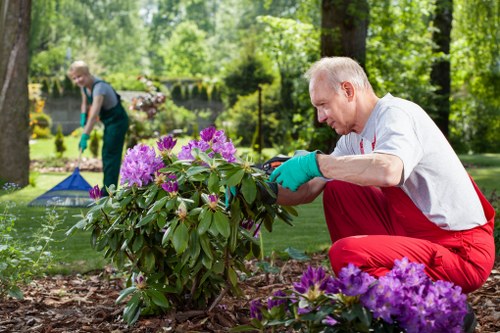 Our goal is clear: achieve a 70% recycling and reuse rate across all Gardeners Honor Oak operations by 2028. That target covers green waste, compost production, wood recycling, tool and furniture reuse, and materials recovery from communal gardening sessions. Working toward this percentage drives decision-making about storage, transfer, and the types of containers we provide for volunteers and members.
We make use of nearby local transfer stations and civic amenity sites to keep bulky or mixed materials channeled into appropriate facilities. When on-site processing is not feasible, Gardeners Honor Oak routes materials to nearby Lewisham and Southwark transfer facilities and regional recovery hubs. These transfer stations accept sorted loads and ensure materials are taken to the correct recycling streams, preventing contamination and keeping our sustainability hub effective.
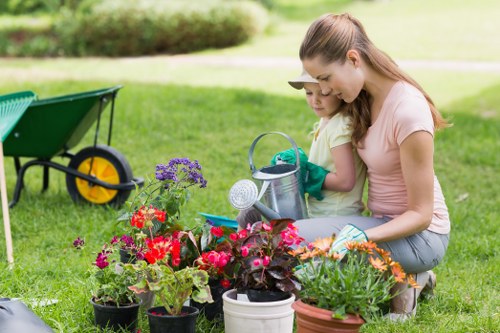 On-site composting is at the heart of our sustainable rubbish gardening area. Through layered compost bays and hot composting techniques we convert garden prunings, leaf litter and vegetable waste into high-quality compost for beds across the site. Compost teas and twig chipping are encouraged as part of an integrated approach to soil health and carbon capture. Our composting systems reduce transport emissions by keeping organic cycles local and returning nutrients to the soil.
We also house a small reuse depot where clean pallets, terracotta pots, watering cans and usable timber are sorted. Items that can’t be reused on-site are diverted to partner charities or social enterprises. A typical on-site sorting station includes:
- Designated bins for clean timber, untreated wood and chipboard separation
- Containers for metals and salvageable hardware
- Storage for reusable pots, tools and seed trays
We have formal partnerships with local charities and reuse organisations to maximise the lifespan of garden-related items. Through collaborations with food redistribution groups such as Fareshare and community-focused reuse charities like Groundwork-affiliated projects, Gardeners Honor Oak diverts edible surplus, tools and larger items to groups that can reuse or redistribute them. Partnering with charities reduces waste, supports local social enterprise, and strengthens community resilience.
 Our vehicle fleet and logistics are designed to be low-carbon. Gardeners Honor Oak operates a mix of low-emission vans and electric cargo vehicles for pickups, deliveries and transfer runs, and we continually optimise routes to reduce mileage. We have a plan to transition to an all low-carbon delivery fleet over the next few years, featuring:
Low-carbon transport and route optimisation
- Electric and hybrid vans for regular collection runs
- Compact e-cargo bikes for short urban trips and dense streets
- Route planning software to cut unnecessary journeys and idling
We track progress against our targets with transparent data collection. Volunteer teams log volumes of green waste composted, items passed on to charities, and materials sent to transfer stations. This monitoring makes it possible to report progress against the 70% recycling target and to identify where contamination or process changes are needed. Data-driven improvements enable continuous upgrades to storage, signage and volunteer training.
 Gardeners Honor Oak also supports local circular economy initiatives: tool libraries, seed-sharing networks, and swap events reduce the demand for new materials. By encouraging reuse, repair and sharing we keep items in circulation and reduce the carbon embedded in new purchases. These community-led activities complement the on-site recycling infrastructure and foster practical sustainability skills among gardeners and neighbours.

